



Commercial Door Repair Near Me: What to Look for in a Nashville Service Provider

January 18, 2026

Commercial Door Repair Near Me: What to Look for in a Nashville Service Provider

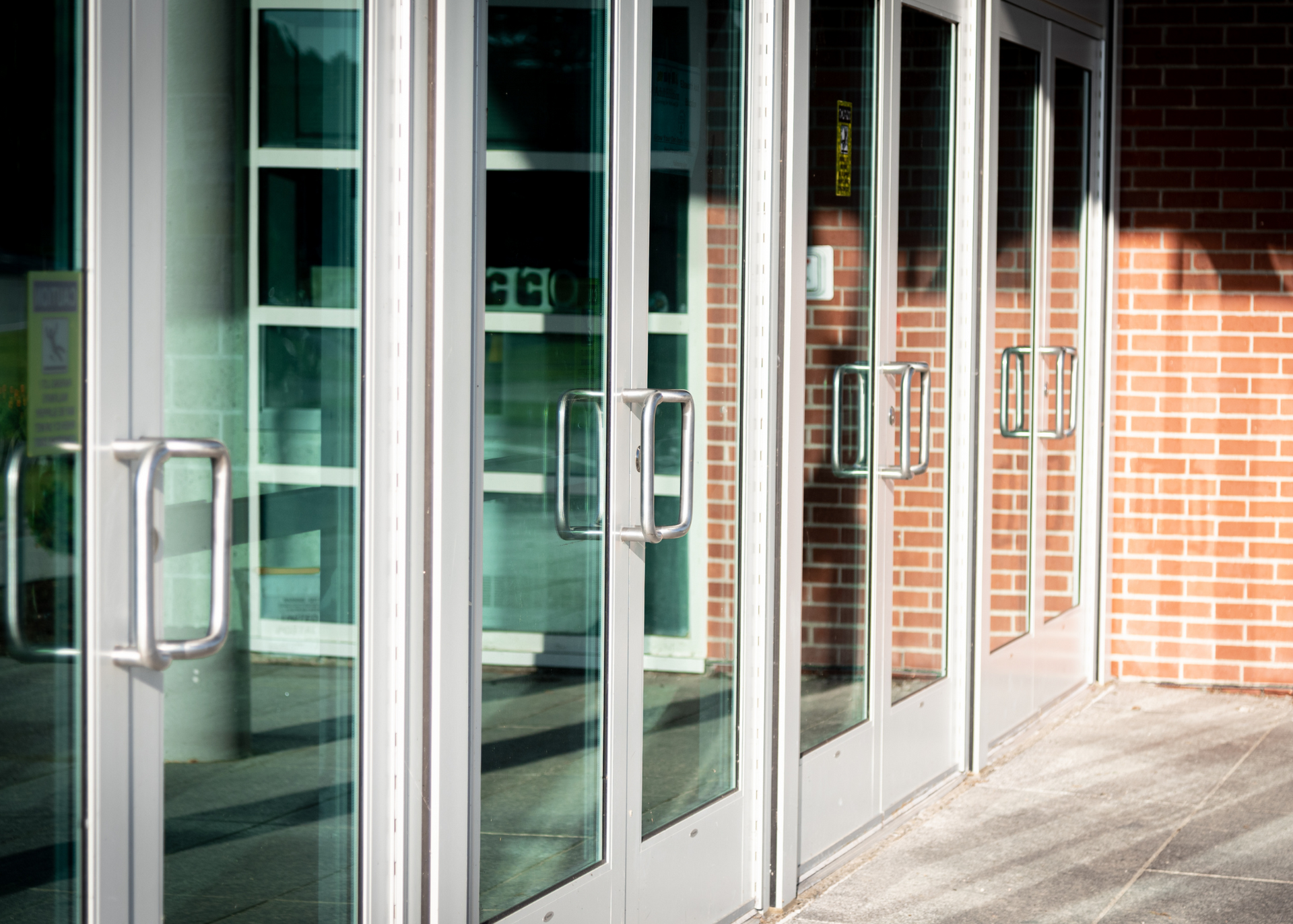
When you search "commercial door repair near me," you need a service provider who can respond within hours, not days, and has certified technicians who understand the specific code requirements for commercial applications in Nashville. The right commercial door company should offer 24/7 emergency service, maintain proper licensing and insurance, and have a documented track record of at least 10 years serving commercial properties in your area.

A malfunctioning commercial door isn't just an inconvenience. It's a security risk, a liability issue, and potentially a code violation that could result in fines or failed inspections. That's why choosing the right commercial door repair service matters more than you might think.

Why Fast Response Time Matters for Commercial Door Repair

A broken commercial door creates an immediate problem that affects your business operations. Every hour that door stays non-functional, you're dealing with security vulnerabilities, climate control issues, and potentially frustrated employees or customers who can't access your building properly.

Response time should be measured in hours, not business days. A quality commercial door repair service in Nashville should arrive on-site within 2-4 hours for emergency calls during business hours. For after-hours emergencies, expect a technician within 4-6 hours maximum.

The reality is that most commercial door problems escalate quickly. A door that's sticking today becomes a door that won't close tomorrow. A closer that's losing pressure will eventually fail completely, leaving your entry unsecured. Quick response prevents these small issues from becoming expensive emergencies.

Fast response also matters for compliance reasons. If your commercial door isn't functioning according to fire code or ADA requirements, you're technically out of compliance from the moment it fails. Building inspectors don't care that you're waiting for a repair technician to return your call.

Essential Qualifications Your Commercial Door Company Should Have

Not every company that can fix a residential door is qualified to handle commercial door repair services. Commercial applications involve different hardware, higher cycle counts, and strict code requirements that residential technicians may not understand.

Your commercial door company in Nashville should carry specific certifications from organizations like the Door and Hardware Institute (DHI). Look for technicians with credentials such as Architectural Hardware Consultant (AHC) or Electrified Hardware Consultant (EHC). These aren't just letters after a name—they represent hundreds of hours of training on commercial door systems.

Insurance matters more than most people realize. Your service provider should carry general liability insurance of at least $2 million, plus workers' compensation coverage. If a technician gets injured on your property or damages your building during repairs, you need to know you're protected.

Experience with your specific door type is critical. Commercial doors include hollow metal, aluminum storefront, automatic operators, high-speed doors, fire-rated assemblies, and specialized systems. A company that primarily works on basic hollow metal doors may not understand the nuances of automatic door operators or fire door requirements.

Ask how long they've been serving commercial clients specifically. A company with 5 years of residential experience and 6 months of commercial work isn't the same as a commercial door company with decades of focused expertise.

Common Commercial Door Problems That Require Immediate Attention

Some commercial door issues can wait until next week. Others need attention today. Understanding the difference helps you prioritize and communicate urgency when you contact a repair service.

Fire-rated door assemblies that won't close or latch properly require immediate attention. According to NFPA 80, fire doors must be kept in working condition at all times. A fire door that doesn't close fully or has a damaged seal isn't just a repair issue—it's a code violation that compromises your building's fire protection system.

Automatic door operators that malfunction create serious liability risks. If your automatic door fails to detect a person in its path or doesn't reverse properly, someone could get injured. These systems should be taken out of service immediately and repaired by a qualified technician familiar with ANSI/BHMA A156.10 standards.

Doors that won't lock or latches that don't engage represent obvious security vulnerabilities. You can't wait until Monday morning to address a door that won't secure overnight. This is especially critical for exterior doors, but also matters for interior doors protecting valuable equipment or sensitive areas.

Closer problems often seem minor until they're not. A door that slams shut can injure someone. A door that doesn't close fully leaves your building unsecured and wastes energy. If your closers are leaking fluid, making unusual noises, or not controlling the door properly, schedule repairs quickly.

Weather stripping failures and threshold issues might seem cosmetic, but they affect your energy costs immediately. A 3-foot door with a quarter-inch gap at the bottom allows approximately 150 cubic feet of air infiltration per hour. Multiply that by every door in your facility and the HVAC impact becomes significant.

Questions to Ask Before Hiring a Commercial Door Repair Service

The questions you ask during your initial phone call reveal a lot about whether a company can actually solve your problem. Vague answers or hesitation suggests they may not have the expertise your situation requires.

Start with availability: "What's your current response time for emergency calls?" If they can't give you a specific timeframe, that's a red flag. Good commercial door repair services know their typical response windows and communicate them clearly.

Ask about their experience with your specific situation: "How many fire door assemblies do you service annually?" or "Do you work on automatic operators from [your specific manufacturer]?" Specificity in their answer indicates real experience. Generic responses like "we work on all types of doors" often mean they lack specialized knowledge.

Request proof of certification and insurance: "Can you provide a certificate of insurance before starting work?" Any legitimate commercial door company will have this documentation readily available and willing to share it. Hesitation here is a deal-breaker.

Understand their parts inventory: "Do you stock parts for [your door type/manufacturer], or will you need to order them?" Companies that maintain significant parts inventory can often complete repairs in a single visit. Those that need to order everything create delays.

Clarify their service area and response commitments: "Do you charge extra for service in Nashville?" Some companies advertise broadly but add significant trip charges or surcharges for anything outside their core service radius.

Ask about their maintenance programs: "Do you offer scheduled commercial door maintenance contracts?" Companies that provide preventive maintenance typically have more expertise than those that only handle emergency repairs. They understand how to prevent problems, not just fix them.

The Nashville Door Advantage: 50+ Years of Commercial Door Expertise

Nashville Door has been solving commercial door problems in Middle Tennessee since the early 1970s. That longevity matters because commercial door systems have evolved dramatically over five decades, and we've stayed current through every change.

Our technicians don't just fix doors—they understand how commercial door systems integrate with access control, fire alarm systems, and building automation. This matters when troubleshooting complex problems that involve multiple systems working together.

We maintain an extensive parts inventory at our Nashville location, which means most repairs get completed during the first visit. For common commercial door hardware, we stock hundreds of components from major manufacturers. This eliminates the frustrating cycle of diagnostic visits followed by "we'll have to order parts" delays.

Our emergency response protocol is straightforward: call us, and we'll have a technician assigned to your job within one hour. For most Nashville locations, we're on-site within 2-3 hours of your initial call during business hours. After-hours emergency service is available 24/7/365 for situations that can't wait.

We also understand Nashville's specific commercial building stock. Whether you're managing a historic downtown property, a newer office park in Cool Springs, or an industrial facility near the airport, we've worked on similar buildings and understand the common issues they face.

Preventive Maintenance: Reducing Emergency Repair Needs

The best commercial door repair is the one you never need. Scheduled commercial door maintenance catches small problems before they become emergencies, extends hardware life, and keeps your doors code-compliant.

According to the Door and Hardware Institute, commercial doors should receive professional inspection and maintenance at least twice annually for standard applications. High-traffic doors may need quarterly service. Fire-rated assemblies require annual inspection per NFPA 80 requirements.

A proper maintenance visit includes more than just lubrication. Technicians should check closer adjustment and fluid levels, verify proper alignment and clearances, inspect weatherstripping and thresholds, test panic hardware and fire exit devices, examine hinges for wear and proper fastening, and verify that fire-rated assemblies meet current code requirements.

The cost-benefit math on preventive maintenance is straightforward. A maintenance visit identifies worn components while they're still functioning and can be replaced during scheduled service. Emergency repairs happen at the worst possible time, often require overtime rates, and may involve more extensive damage because the problem wasn't caught early.

Maintenance programs also create documentation that matters during inspections. Fire marshals and building inspectors want to see records showing your fire doors receive proper attention. A commercial door maintenance contract provides that documentation automatically.

For facility managers overseeing multiple properties, maintenance contracts eliminate the need to remember which building needs service when. Your door company schedules everything, performs the work, and provides reports showing what was found and corrected at each location.

Taking the Next Step With Your Commercial Door Repair Needs

Finding the right commercial door repair service in Nashville doesn't have to be complicated. Focus on response time, relevant certifications, specific experience with your door type, and a documented track record serving commercial clients.

If you're currently dealing with a malfunctioning commercial door, the solution starts with one phone call. Nashville Door provides emergency commercial door repair services throughout the Nashville metro area, with technicians available 24/7 for situations that can't wait.

For facilities that want to prevent emergencies rather than just respond to them, we offer commercial door maintenance programs tailored to your specific needs. We'll assess your current doors, recommend a service schedule based on usage and door type, and keep everything running smoothly.

Request a free assessment of your commercial doors by contacting Nashville Door today. We'll evaluate your current systems, identify any existing problems, and provide straightforward recommendations for repairs or maintenance. No vague estimates or pressure tactics—just honest expertise from technicians who have been solving commercial door problems for over 50 years.

Frequently Asked Questions

How quickly can I expect a commercial door repair technician to arrive?

For emergency commercial door repair situations during business hours, most reputable Nashville service providers should arrive within 2-4 hours of your call. After-hours emergency service typically takes 4-6 hours. Nashville Door assigns a technician to your job within one hour and is typically on-site within 2-3 hours for most Nashville metro locations.

What certifications should a commercial door repair technician have?

Look for certifications from the Door and Hardware Institute (DHI), such as Architectural Hardware Consultant (AHC) or Electrified Hardware Consultant (EHC). These credentials indicate the technician has completed extensive training on commercial door systems, hardware, and code requirements. These certifications require ongoing education to maintain, ensuring technicians stay current with changing standards.

How often do commercial doors need professional maintenance?

Standard commercial doors should receive professional inspection and maintenance at least twice annually. High-traffic doors benefit from quarterly service. Fire-rated door assemblies require annual inspection according to NFPA 80 standards. Automatic door operators need more frequent attention—typically quarterly inspections to ensure they operate safely and comply with ANSI/BHMA A156.10 requirements.

What's the difference between a residential door company and a commercial door company?

Commercial door systems involve different hardware specifications, higher cycle counts, stricter code requirements, and more complex integration with building systems like access control and fire alarms. Commercial door companies maintain certifications specific to commercial applications, stock commercial-grade parts, understand ADA and fire code requirements, and have experience with specialized systems like automatic operators and high-speed doors that residential companies rarely encounter.

Can a malfunctioning commercial door create liability issues for my business?

Yes, absolutely. A fire door that doesn't close properly compromises your building's fire protection system and creates code violations. Automatic doors that malfunction can injure customers or employees, creating potential litigation. Doors that don't lock properly represent security failures. Even non-functioning closers can cause doors to slam and injure people. When you become aware of a commercial door malfunction, you have a responsibility to address it promptly or take the door out of service.

Share

By Nashille Door January 18, 2026
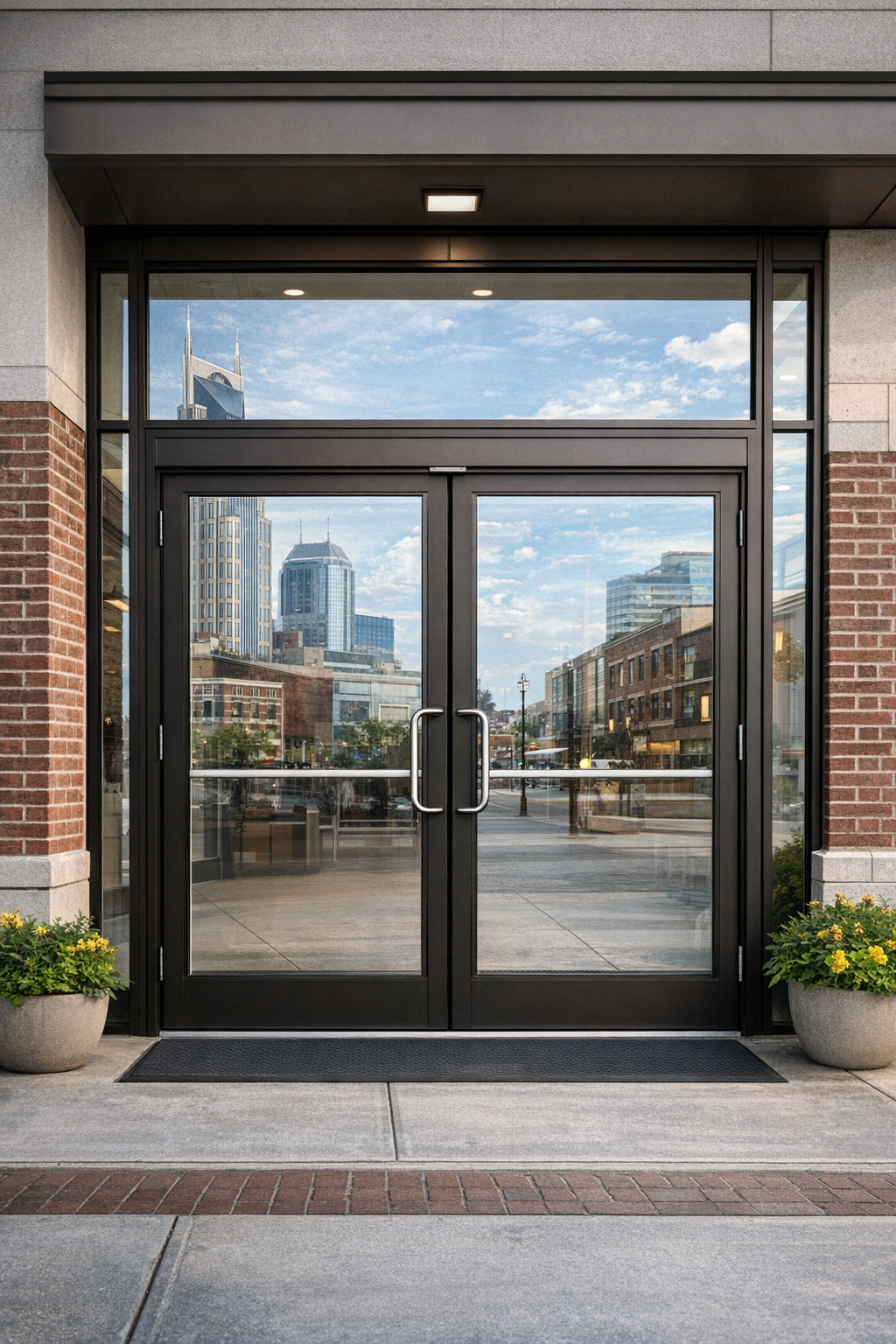
Looking for commercial door repair near me in Nashville? Learn what qualifications matter, response times to expect, and how to choose the right service provider.
By Nashille Door January 18, 2026
Looking for commercial door repair near me in Nashville? Learn what qualifications matter, response times to expect, and how to choose the right service provider.
January 8, 2026
Choosing the right storefront for your commercial property affects far more than curb appeal. The storefront system you select influences energy costs, security, maintenance requirements, and how customers perceive your business before they walk through the door. For Nashville business owners planning a new build, renovation, or replacement project, understanding the available options helps ensure the investment delivers results that last. This guide breaks down the most common commercial storefront systems, door configurations, glass types, and hardware options so you can make informed decisions for your property. WHAT IS A COMMERCIAL STOREFRONT SYSTEM? A commercial storefront system is more than just a door and some glass. It's an integrated assembly that includes aluminum framing, glass panels, door hardware, weatherstripping, and structural anchoring designed to create a secure, weather-resistant entrance. Unlike residential installations, commercial storefronts must handle higher traffic volumes, meet strict building codes, and withstand demanding conditions year after year. Most commercial storefronts in Nashville use aluminum framing systems because of their strength, durability, and resistance to rust and corrosion. The glass panels are typically tempered or laminated for safety, and the entire assembly is engineered to meet wind load requirements, energy codes, and accessibility standards. TYPES OF STOREFRONT SYSTEMS Commercial storefronts come in several configurations, each with specific advantages depending on the building type, location, and intended use. Standard Aluminum Storefront Systems Aluminum storefront systems are the most common choice for retail shops, office buildings, and service businesses. These systems feature narrow aluminum frames that maximize glass visibility while providing structural strength and weather resistance. The frames are available in various finishes, including mill finish, anodized aluminum, and painted colors to match building aesthetics. Standard aluminum storefronts work well for most commercial applications because they balance cost, performance, and appearance. The slender profiles create a clean, modern look while the aluminum construction resists corrosion from humidity and weather exposure common in Middle Tennessee. Storefront Door Options The door configuration you choose affects traffic flow, accessibility, security, and energy efficiency. Most commercial storefronts use one or more of these common door types. Single Glass Doors A single storefront door with a full glass panel and narrow aluminum frame provides an open, welcoming entrance suitable for retail shops, small offices, and service businesses. These doors typically swing in or out and can be manual or automatic. Single doors are cost-effective and work well for locations with moderate foot traffic. Double Glass Doors Double door configurations create a wider opening for easier access and better traffic flow. One or both doors can be active, depending on daily needs. For buildings that receive deliveries or need to move equipment through the entrance, double doors provide the clearance required without compromising aesthetics. Double doors are common in medical offices, hotels, restaurants, and larger retail stores where traffic volume justifies the wider opening. Doors with Sidelites and Transoms Adding fixed glass sidelites on one or both sides of the door increases natural light and creates a more open, spacious feel. Transoms above the door serve the same purpose while maintaining standard door height. This configuration is popular in professional offices, upscale retail, and hospitality settings where creating an inviting atmosphere matters. Automatic Sliding Doors Automatic sliding doors offer hands-free operation, improved accessibility, and controlled traffic flow. These systems are ideal for grocery stores, medical facilities, and buildings that serve elderly or disabled visitors. Sliding doors also provide superior energy efficiency because they open only when needed and close quickly after each pass. Automatic doors require regular maintenance to keep sensors, motors, and tracks functioning properly, but for high-traffic buildings, the benefits outweigh the added maintenance costs. Pivot Doors For larger, heavier glass doors or architectural applications where a traditional hinge would be impractical, pivot doors use a pivot hinge system mounted at the top and bottom of the door. Pivot doors create a dramatic, modern entrance and can support heavier glass panels, including oversized or specialty configurations. GLASS TYPES FOR STOREFRONTS The glass you choose affects safety, energy performance, security, and maintenance requirements. Commercial storefronts typically use one of the following glass types. Tempered Glass Tempered glass is heat-treated to increase strength and change the way it breaks. When shattered, tempered glass breaks into small, relatively harmless pieces rather than large, dangerous shards. Building codes require tempered glass in most commercial door applications and in any glass panel within a certain distance of a door or floor. Tempered glass is the standard choice for storefront doors and lower panels because it meets safety requirements without added cost or weight. Laminated Glass Laminated glass consists of two or more layers of glass bonded together with a plastic interlayer. When broken, the glass fragments stick to the interlayer rather than falling out of the frame. This makes laminated glass ideal for security applications, hurricane-resistant installations, and any location where preventing forced entry matters. Banks, jewelry stores, and high-end retail often specify laminated glass for added protection. Laminated glass also provides sound dampening benefits in noisy urban environments. Insulated Glass Insulated glass units consist of two panes of glass separated by an air or gas-filled space that reduces heat transfer. For buildings focused on energy efficiency, insulated glass lowers heating and cooling costs by improving the thermal performance of the storefront system. In Nashville's climate, where summers are hot and winters can be cold, insulated glass makes sense for most commercial applications. The energy savings typically offset the higher upfront cost within a few years. Low-E Glass Low-emissivity glass has a microscopically thin coating that reflects infrared light, keeping heat inside during winter and outside during summer. Low-E coatings improve energy efficiency without reducing visible light transmission, making them a popular upgrade for energy-conscious property owners. Pairing Low-E coatings with insulated glass creates one of the most energy-efficient storefront options available. Tinted and Reflective Glass Tinted glass reduces glare and solar heat gain, making interiors more comfortable and reducing cooling costs. Reflective coatings provide similar benefits while also enhancing privacy by limiting visibility into the building during daylight hours. Retail stores concerned about merchandise fading from sun exposure and office buildings looking to reduce glare on computer screens often choose tinted or reflective glass. STOREFRONT HARDWARE AND ACCESSORIES The right hardware ensures your storefront operates smoothly, stays secure, and meets accessibility requirements. Door Closers Commercial door closers control the speed and force of door closing. For storefront doors, surface-mounted hydraulic closers are the most common choice because they provide reliable performance and easy adjustment. ADA-compliant closers ensure low opening force for accessible operation. Locks and Panic Hardware Storefront doors require locks that balance security with ease of use. Mortise locks, cylindrical locks, and electronic access control systems are all common in commercial applications. For exits that must remain accessible during emergencies, panic bars or exit devices provide code-compliant egress. Thresholds and Weatherstripping Proper weatherstripping and thresholds seal gaps around doors to prevent drafts, water intrusion, and pest entry. Aluminum thresholds with replaceable inserts provide durability and easy maintenance, while continuous weatherstripping along the door perimeter keeps the entrance tight and energy-efficient. Automatic Door Operators Automatic door operators add push-button or motion-sensor activation to manual doors, improving accessibility and convenience. These systems can be added to most storefront doors and are particularly useful for businesses that need to comply with ADA requirements without replacing the entire door system. CONSIDERATIONS WHEN CHOOSING A STOREFRONT SYSTEM Several factors influence which storefront configuration works best for your building. Building Codes and Regulations Commercial storefronts must comply with local building codes, including requirements for wind load resistance, fire ratings, accessibility, and safety glazing. Working with an experienced commercial door contractor ensures your storefront meets all applicable codes and passes inspection the first time. Climate and Weather Exposure Nashville’s weather includes hot, humid summers, cold winters, and occasional severe storms. Storefront systems in this region need proper weatherstripping, adequate drainage, and materials that resist corrosion from humidity. Insulated glass helps manage temperature swings and reduce energy costs. Security Requirements Retail businesses, banks, and facilities handling valuable inventory need storefront systems designed with security in mind. Laminated glass, reinforced frames, and high-security locks deter break-ins and protect assets. Some businesses also add security film or shutters for additional protection. Maintenance and Longevity Aluminum storefront systems require minimal maintenance but benefit from regular cleaning, lubrication of hardware, and inspection of weatherstripping. Choosing quality materials and professional installation extends the life of the system and reduces long-term repair costs. SAFETY AND SECURITY CONSIDERATIONS Safety and security have become top priorities for Nashville business owners, and your storefront plays a critical role in protecting your property, employees, and customers. The right glass and frame choices can significantly reduce your vulnerability to break-ins, smash-and-grab theft, and vandalism. Laminated glass is one of the most effective security upgrades available. When broken, laminated glass holds together rather than shattering into an open hole, making forced entry much more difficult and time-consuming for intruders. This added resistance often deters criminals who rely on quick access. Many retail stores, banks, jewelry shops, and businesses with valuable inventory now specify laminated glass as a standard security measure. Security film offers another layer of protection that can be applied to existing glass. This thick, transparent film holds shattered glass in place and makes it much harder for someone to break through. Security film is a cost-effective upgrade for businesses that want enhanced protection without replacing their entire storefront system. Frame reinforcement and high-security hardware also contribute to overall storefront security. Reinforced aluminum frames resist prying and forced entry attempts, while commercial-grade locks, panic bars, and access control systems ensure your doors stay secure when you need them to. For businesses in high-risk areas or those handling cash and valuables, combining multiple security features creates a comprehensive protection strategy. Beyond protecting against crime, safety glass helps prevent injuries from accidental breakage. Tempered glass, required by building codes in many storefront applications, breaks into small, relatively harmless pieces rather than dangerous shards. This protects both customers and employees if glass is accidentally broken. WHEN TO REPLACE VS. REPAIR A STOREFRONT Not every storefront problem requires a complete replacement. Minor issues like broken glass, worn weatherstripping, or failing door closers can often be repaired cost-effectively. However, extensive frame damage, outdated systems that don't meet current codes, or repeated problems with alignment and operation usually justify replacement. A qualified commercial door contractor can assess your storefront and recommend whether repair or replacement makes the most sense for your situation and budget. CONTACT NASHVILLE DOOR FOR YOUR STOREFRONT NEEDS Choosing the right storefront system requires experience, knowledge of local codes, and understanding of how different materials and configurations perform in Middle Tennessee's climate. Since 1975, Nashville Door has been helping commercial property owners across Nashville select, install, and maintain storefront systems that deliver security, energy efficiency, and lasting performance. Whether you need a single door replacement, glass repair, or a complete storefront renovation, our team has the expertise to guide you through the options and complete the work efficiently. We stock quality materials from trusted manufacturers and provide fast, reliable service that keeps your business running smoothly. Need help with your storefront? Call Nashville Door at 615-912-1980 or email sales@nashvilledoor.com to discuss your project.
December 11, 2025
The Complete Guide to Commercial Door Closers: Types, Lifespans, and Signs You Need Replacement
December 9, 2025
Fire Rated Commercial Doors in Tennessee: Requirements, Testing, and What Property Owners Must Know
December 3, 2025
Choose the Right Commercial Door Hardware for High Traffic Nashville Buildings
December 1, 2025
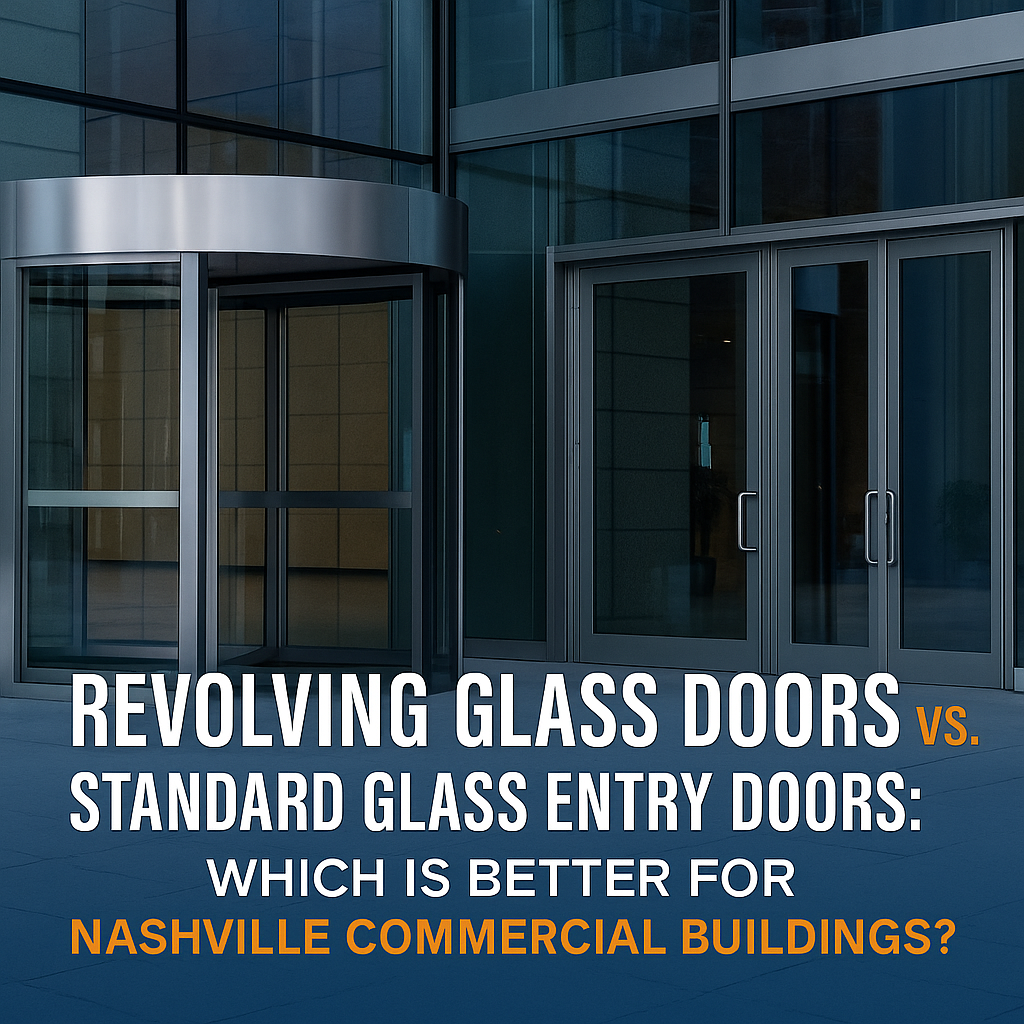
Revolving Glass Doors vs. Standard Glass Entry Doors: Which Is Better for Nashville Commercial Buildings?
October 31, 2025
Honoring 50 Years - and Inviting You to Celebrate with Us
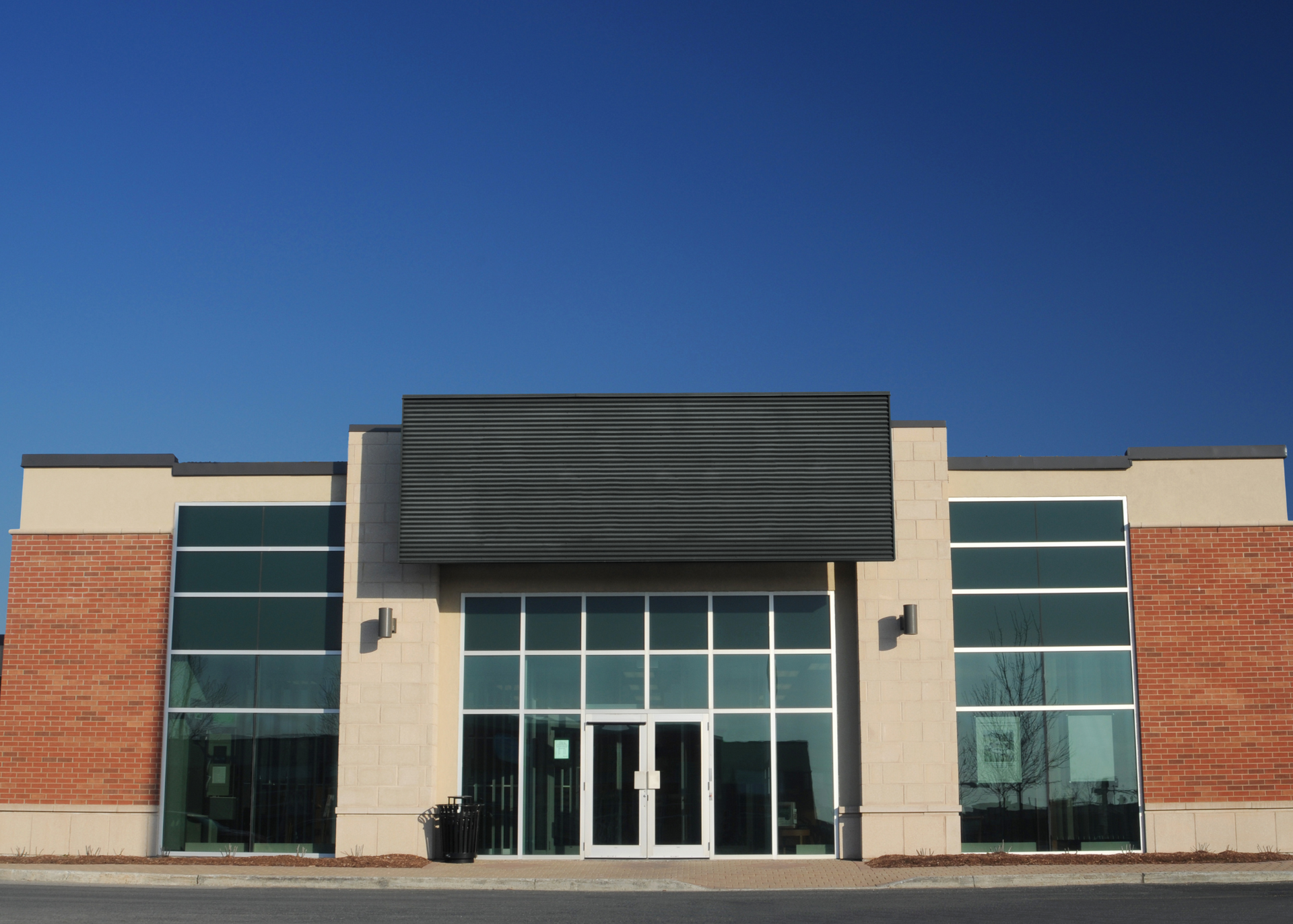
commercial door hardware options
September 30, 2025
Learn about the most common types of commercial door hardware—from locks and closers to panic devices and electronic access—and where to find reliable suppliers.
commercial entry door closers
September 26, 2025
Looking for the right commercial entry door? This guide from Nashville Door Closer explores all your options—from aluminum storefront doors to steel, glass, and fire-rated models—plus code requirements, hardware, and security upgrades.

Show More