The Ultimate Guide to Panic Bars for Commercial and Public Buildings

August 1, 2025

Learn everything you need to know about panic bars in this comprehensive guide. From installation to code requirements, repairs, and specialized door types, Nashville Door Closer breaks it down step by step.

Panic bars—also known as crash bars, push bars, or exit devices—play a crucial role in emergency safety and code compliance. Whether you're outfitting a school, church, office, retail store, or warehouse, panic bars allow for fast, efficient egress during an emergency. But how do they work? When are they required? How do you install or repair one, and which type do you need?


This guide from Nashville Door Closer covers everything you need to know about panic bars, including installation tips, code requirements, part breakdowns, specialized door setups, and advanced integrations like electric panic bars connected to access control systems.


What Is a Panic Bar and How Does It Work?

A panic bar is a horizontal push mechanism installed on the inside of a door to allow fast, single-motion exit. When the bar is pressed, it disengages the latch and opens the door. They’re often found in commercial buildings, schools, hospitals, churches, and other high-traffic public spaces.


Panic bars are required in many public buildings due to fire and building codes, and they are especially useful in emergencies when quick evacuation is critical. They come in various styles—rim, vertical rod, mortise—and can be paired with alarmed exits, electric strikes, or access control systems for added security.


When Are Panic Bars Required by Code?

Panic hardware is required when specific conditions are met, as outlined in the International Building Code (IBC) and NFPA 101 Life Safety Code. These include:


  • Assembly occupancies with more than 50 people
  • Educational occupancies like schools or daycare centers
  • Hazardous occupancies such as chemical storage rooms
  • High-occupancy commercial buildings
  • Any door that forms part of the required means of egress


Failure to install panic bars when required can lead to violations, liability in emergencies, and safety risks for occupants.


Does My Church Need a Panic Bar?

Yes, if your church holds 50 or more people in any room or sanctuary, then panic bars are typically required. Religious buildings are often considered assembly spaces and must meet the same safety codes. Even for smaller congregations, panic hardware adds a layer of safety and reassurance for members.


How to Install a Panic Bar: Step-by-Step for Most Doors

Installing a panic bar involves the following basic steps:

  1. Measure and mark: Ensure bar height is between 34–48 inches from the floor.
  2. Drill and prep the door: Use the included template for accurate hole placement.
  3. Mount the panic bar: Secure the device with screws and brackets.
  4. Install the strike: Align the latch bolt with the frame and install the strike plate.
  5. Test the operation: Make sure the door opens and closes smoothly.

For fire-rated doors, make sure the panic hardware is also fire-rated. For glass or aluminum doors, you may need a specific mounting kit or a surface-mounted bar. Always consult the manufacturer’s instructions or work with a professional installer.

Looking for expert panic bar installation in Nashville? We handle everything from new hardware to retrofit jobs.


How to Lock a Panic Bar Door 

Locking a panic bar door depends on your configuration. Here are the most common methods:

  • Dogging the bar: This keeps the latch retracted so the door can swing freely. It’s often used during business hours. Dogging can be done with a hex key or cylinder lock.
  • Keyed trim: Panic bars can include or be paired with outside trim that locks and unlocks the door with a key.
  • Electric locking mechanisms: Some panic bars connect to electric strikes or magnetic locks to be controlled remotely.


How to Hook Up an Electric Panic Bar to a Kantech KT-400 Control Panel

Electric panic bars can be wired into building access control systems like the Kantech KT-400, allowing authorized entry and remote locking without affecting egress. Here’s a simplified overview:


  • Connect the panic bar’s electric components to one of the KT-400’s four relay outputs.
  • Program the controller using Kantech’s EntraPass software to manage users and schedules.
  • Test all connections and emergency overrides for code compliance.


This setup provides maximum security while maintaining emergency functionality. Always consult an access control technician for additional access control support contact our sister company Systems Integration or give them a call at 615-251-995.

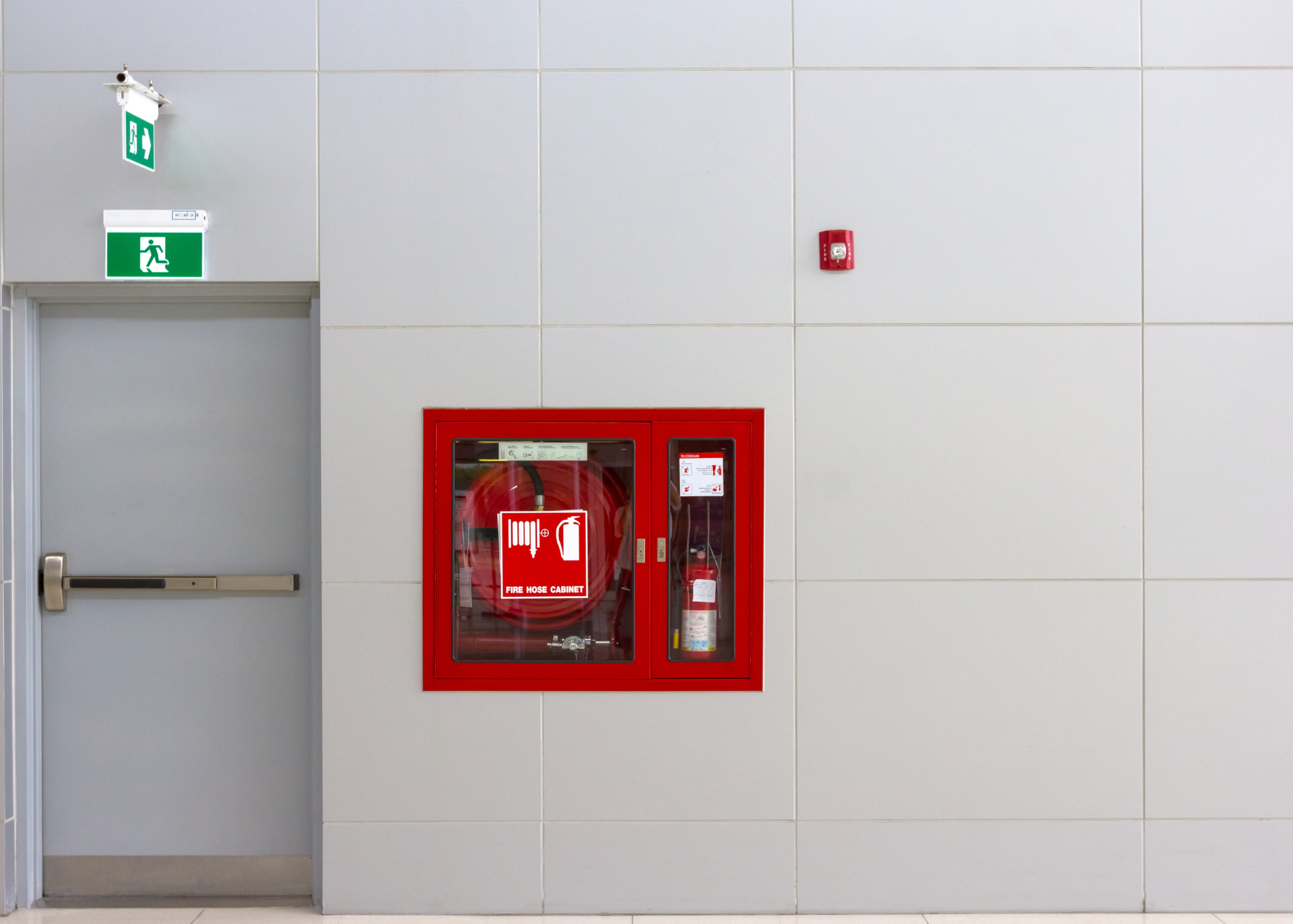
Gray door with exit sign above, next to a fire extinguisher and alarm on a white wall.

Panic Bar Parts and What They Do

Understanding panic bar hardware helps with troubleshooting, maintenance, and choosing the right setup. Key components include:

  • Push rail: The horizontal bar users press to open the door.
  • Latch bolt: The mechanism that keeps the door secured when closed.
  • Strike plate: Installed on the frame, it receives the latch.
  • Dogging device: Holds the latch open for free entry/exit during the day.
  • End caps: Protective covers that prevent wear or damage.
  • Electric strike: Optional part used for remote unlocking.

If you're dealing with a specific manufacturer, such as Kawneer, you'll want to make sure you source genuine Kawneer panic bar parts for replacements. These parts are specially designed to fit Kawneer’s aluminum storefront and glass door systems and may include custom push bars, latch assemblies, or trim hardware.

Other add-ons include alarms, delayed egress systems, and touchbar switches for electronic monitoring.


Installing Panic Bars on Double, Metal, and Glass Doors

Not all doors are the same—and panic bar hardware must match the door’s material and function.


How to Install Panic Bar Hardware on a Double Door

  • Use vertical rod panic bars or center latching systems.
  • A coordinator bar ensures the inactive door closes first.
  • Secure the top and bottom rods and check alignment for smooth operation.


How to Install a Panic Bar on a Glass Door

  • Use surface-mounted or rim-style panic bars made for all-glass or aluminum-framed glass doors.
  • Reinforcement rails or through-glass brackets may be necessary.
  • Check compatibility with tempered glass safety standards.


How to Install a Panic Bar on a Metal Door

  • Heavy-duty screws and drill bits are required for steel doors.
  • Use a metal backplate if the door is hollow.
  • Check for ANSI prep—many metal doors come pre-drilled for exit devices.


Need help choosing the right panic hardware? Nashville Door Closer can match panic bars to your exact door type.


How to Repair a Panic Bar and When to Replace It

If your panic bar isn’t working properly, don’t wait. Faulty egress hardware is both a safety and legal liability.


Common Repair Scenarios:

  • Latch not engaging properly
  • Bar sticking or failing to retract
  • Missing end caps or dogging pins
  • Loose mounting screws or internal misalignment

Many of these issues can be fixed by replacing specific panic bar parts. But if your unit is over 10 years old or no longer meets code, replacement is often more cost-effective.


Can You Bypass a Panic Bar Lock? (And Should You?)

Bypassing a panic bar lock is only appropriate under authorized conditions—such as maintenance, emergency drills, or security override. Methods vary:


  • Use a key to operate outside trim
  • Engage/disengage dogging features
  • Remotely unlock via access control system

Important: Tampering with panic hardware can lead to safety violations or criminal liability. Always consult a professional before altering exit devices.


Panic Bar Experts in Nashville You Can Trust

From code-compliant installations to complex repairs and access control integrations, Nashville Door Closer is your go-to source for panic bar solutions. Our experienced technicians understand the details that matter—like correct hardware, local codes, and safe egress.


Contact us today for panic bar installation, service, or upgrades in Nashville and surrounding areas.


Share

By Nashille Door January 24, 2026
Most commercial door closer problems can be repaired vs replaced, saving 60-70%. Learn what's fixable and when to call for door closer repair in Nashville.
By Nashille Door January 23, 2026
Complete guide to commercial fire rated door requirements in Nashville: NFPA 80 compliance, where fire doors are required, ratings explained, and inspection requirements.
By Nashille Door January 18, 2026
Looking for commercial door repair near me in Nashville? Learn what qualifications matter, response times to expect, and how to choose the right service provider.
January 8, 2026
Choosing the right storefront for your commercial property affects far more than curb appeal. The storefront system you select influences energy costs, security, maintenance requirements, and how customers perceive your business before they walk through the door. For Nashville business owners planning a new build, renovation, or replacement project, understanding the available options helps ensure the investment delivers results that last. This guide breaks down the most common commercial storefront systems, door configurations, glass types, and hardware options so you can make informed decisions for your property. WHAT IS A COMMERCIAL STOREFRONT SYSTEM? A commercial storefront system is more than just a door and some glass. It's an integrated assembly that includes aluminum framing, glass panels, door hardware, weatherstripping, and structural anchoring designed to create a secure, weather-resistant entrance. Unlike residential installations, commercial storefronts must handle higher traffic volumes, meet strict building codes, and withstand demanding conditions year after year. Most commercial storefronts in Nashville use aluminum framing systems because of their strength, durability, and resistance to rust and corrosion. The glass panels are typically tempered or laminated for safety, and the entire assembly is engineered to meet wind load requirements, energy codes, and accessibility standards. TYPES OF STOREFRONT SYSTEMS Commercial storefronts come in several configurations, each with specific advantages depending on the building type, location, and intended use. Standard Aluminum Storefront Systems Aluminum storefront systems are the most common choice for retail shops, office buildings, and service businesses. These systems feature narrow aluminum frames that maximize glass visibility while providing structural strength and weather resistance. The frames are available in various finishes, including mill finish, anodized aluminum, and painted colors to match building aesthetics. Standard aluminum storefronts work well for most commercial applications because they balance cost, performance, and appearance. The slender profiles create a clean, modern look while the aluminum construction resists corrosion from humidity and weather exposure common in Middle Tennessee. Storefront Door Options The door configuration you choose affects traffic flow, accessibility, security, and energy efficiency. Most commercial storefronts use one or more of these common door types. Single Glass Doors A single storefront door with a full glass panel and narrow aluminum frame provides an open, welcoming entrance suitable for retail shops, small offices, and service businesses. These doors typically swing in or out and can be manual or automatic. Single doors are cost-effective and work well for locations with moderate foot traffic. Double Glass Doors Double door configurations create a wider opening for easier access and better traffic flow. One or both doors can be active, depending on daily needs. For buildings that receive deliveries or need to move equipment through the entrance, double doors provide the clearance required without compromising aesthetics. Double doors are common in medical offices, hotels, restaurants, and larger retail stores where traffic volume justifies the wider opening. Doors with Sidelites and Transoms Adding fixed glass sidelites on one or both sides of the door increases natural light and creates a more open, spacious feel. Transoms above the door serve the same purpose while maintaining standard door height. This configuration is popular in professional offices, upscale retail, and hospitality settings where creating an inviting atmosphere matters. Automatic Sliding Doors Automatic sliding doors offer hands-free operation, improved accessibility, and controlled traffic flow. These systems are ideal for grocery stores, medical facilities, and buildings that serve elderly or disabled visitors. Sliding doors also provide superior energy efficiency because they open only when needed and close quickly after each pass. Automatic doors require regular maintenance to keep sensors, motors, and tracks functioning properly, but for high-traffic buildings, the benefits outweigh the added maintenance costs. Pivot Doors For larger, heavier glass doors or architectural applications where a traditional hinge would be impractical, pivot doors use a pivot hinge system mounted at the top and bottom of the door. Pivot doors create a dramatic, modern entrance and can support heavier glass panels, including oversized or specialty configurations. GLASS TYPES FOR STOREFRONTS The glass you choose affects safety, energy performance, security, and maintenance requirements. Commercial storefronts typically use one of the following glass types. Tempered Glass Tempered glass is heat-treated to increase strength and change the way it breaks. When shattered, tempered glass breaks into small, relatively harmless pieces rather than large, dangerous shards. Building codes require tempered glass in most commercial door applications and in any glass panel within a certain distance of a door or floor. Tempered glass is the standard choice for storefront doors and lower panels because it meets safety requirements without added cost or weight. Laminated Glass Laminated glass consists of two or more layers of glass bonded together with a plastic interlayer. When broken, the glass fragments stick to the interlayer rather than falling out of the frame. This makes laminated glass ideal for security applications, hurricane-resistant installations, and any location where preventing forced entry matters. Banks, jewelry stores, and high-end retail often specify laminated glass for added protection. Laminated glass also provides sound dampening benefits in noisy urban environments. Insulated Glass Insulated glass units consist of two panes of glass separated by an air or gas-filled space that reduces heat transfer. For buildings focused on energy efficiency, insulated glass lowers heating and cooling costs by improving the thermal performance of the storefront system. In Nashville's climate, where summers are hot and winters can be cold, insulated glass makes sense for most commercial applications. The energy savings typically offset the higher upfront cost within a few years. Low-E Glass Low-emissivity glass has a microscopically thin coating that reflects infrared light, keeping heat inside during winter and outside during summer. Low-E coatings improve energy efficiency without reducing visible light transmission, making them a popular upgrade for energy-conscious property owners. Pairing Low-E coatings with insulated glass creates one of the most energy-efficient storefront options available. Tinted and Reflective Glass Tinted glass reduces glare and solar heat gain, making interiors more comfortable and reducing cooling costs. Reflective coatings provide similar benefits while also enhancing privacy by limiting visibility into the building during daylight hours. Retail stores concerned about merchandise fading from sun exposure and office buildings looking to reduce glare on computer screens often choose tinted or reflective glass. STOREFRONT HARDWARE AND ACCESSORIES The right hardware ensures your storefront operates smoothly, stays secure, and meets accessibility requirements. Door Closers Commercial door closers control the speed and force of door closing. For storefront doors, surface-mounted hydraulic closers are the most common choice because they provide reliable performance and easy adjustment. ADA-compliant closers ensure low opening force for accessible operation. Locks and Panic Hardware Storefront doors require locks that balance security with ease of use. Mortise locks, cylindrical locks, and electronic access control systems are all common in commercial applications. For exits that must remain accessible during emergencies, panic bars or exit devices provide code-compliant egress. Thresholds and Weatherstripping Proper weatherstripping and thresholds seal gaps around doors to prevent drafts, water intrusion, and pest entry. Aluminum thresholds with replaceable inserts provide durability and easy maintenance, while continuous weatherstripping along the door perimeter keeps the entrance tight and energy-efficient. Automatic Door Operators Automatic door operators add push-button or motion-sensor activation to manual doors, improving accessibility and convenience. These systems can be added to most storefront doors and are particularly useful for businesses that need to comply with ADA requirements without replacing the entire door system. CONSIDERATIONS WHEN CHOOSING A STOREFRONT SYSTEM Several factors influence which storefront configuration works best for your building. Building Codes and Regulations Commercial storefronts must comply with local building codes, including requirements for wind load resistance, fire ratings, accessibility, and safety glazing. Working with an experienced commercial door contractor ensures your storefront meets all applicable codes and passes inspection the first time. Climate and Weather Exposure Nashville’s weather includes hot, humid summers, cold winters, and occasional severe storms. Storefront systems in this region need proper weatherstripping, adequate drainage, and materials that resist corrosion from humidity. Insulated glass helps manage temperature swings and reduce energy costs. Security Requirements Retail businesses, banks, and facilities handling valuable inventory need storefront systems designed with security in mind. Laminated glass, reinforced frames, and high-security locks deter break-ins and protect assets. Some businesses also add security film or shutters for additional protection. Maintenance and Longevity Aluminum storefront systems require minimal maintenance but benefit from regular cleaning, lubrication of hardware, and inspection of weatherstripping. Choosing quality materials and professional installation extends the life of the system and reduces long-term repair costs. SAFETY AND SECURITY CONSIDERATIONS Safety and security have become top priorities for Nashville business owners, and your storefront plays a critical role in protecting your property, employees, and customers. The right glass and frame choices can significantly reduce your vulnerability to break-ins, smash-and-grab theft, and vandalism. Laminated glass is one of the most effective security upgrades available. When broken, laminated glass holds together rather than shattering into an open hole, making forced entry much more difficult and time-consuming for intruders. This added resistance often deters criminals who rely on quick access. Many retail stores, banks, jewelry shops, and businesses with valuable inventory now specify laminated glass as a standard security measure. Security film offers another layer of protection that can be applied to existing glass. This thick, transparent film holds shattered glass in place and makes it much harder for someone to break through. Security film is a cost-effective upgrade for businesses that want enhanced protection without replacing their entire storefront system. Frame reinforcement and high-security hardware also contribute to overall storefront security. Reinforced aluminum frames resist prying and forced entry attempts, while commercial-grade locks, panic bars, and access control systems ensure your doors stay secure when you need them to. For businesses in high-risk areas or those handling cash and valuables, combining multiple security features creates a comprehensive protection strategy. Beyond protecting against crime, safety glass helps prevent injuries from accidental breakage. Tempered glass, required by building codes in many storefront applications, breaks into small, relatively harmless pieces rather than dangerous shards. This protects both customers and employees if glass is accidentally broken. WHEN TO REPLACE VS. REPAIR A STOREFRONT Not every storefront problem requires a complete replacement. Minor issues like broken glass, worn weatherstripping, or failing door closers can often be repaired cost-effectively. However, extensive frame damage, outdated systems that don't meet current codes, or repeated problems with alignment and operation usually justify replacement. A qualified commercial door contractor can assess your storefront and recommend whether repair or replacement makes the most sense for your situation and budget. CONTACT NASHVILLE DOOR FOR YOUR STOREFRONT NEEDS Choosing the right storefront system requires experience, knowledge of local codes, and understanding of how different materials and configurations perform in Middle Tennessee's climate. Since 1975, Nashville Door has been helping commercial property owners across Nashville select, install, and maintain storefront systems that deliver security, energy efficiency, and lasting performance. Whether you need a single door replacement, glass repair, or a complete storefront renovation, our team has the expertise to guide you through the options and complete the work efficiently. We stock quality materials from trusted manufacturers and provide fast, reliable service that keeps your business running smoothly. Need help with your storefront? Call Nashville Door at 615-912-1980 or email sales@nashvilledoor.com to discuss your project.
December 11, 2025
The Complete Guide to Commercial Door Closers: Types, Lifespans, and Signs You Need Replacement
December 9, 2025
Fire Rated Commercial Doors in Tennessee: Requirements, Testing, and What Property Owners Must Know
December 3, 2025
Choose the Right Commercial Door Hardware for High Traffic Nashville Buildings
December 1, 2025
Revolving Glass Doors vs. Standard Glass Entry Doors: Which Is Better for Nashville Commercial Buildings?
October 31, 2025
Honoring 50 Years - and Inviting You to Celebrate with Us
commercial door hardware options
September 30, 2025
Learn about the most common types of commercial door hardware—from locks and closers to panic devices and electronic access—and where to find reliable suppliers.
Show More